Author: admin

  • The Empowered Filipina Documentary

    Almost a year on, and the dialogue still continues.

    Over the years, Filipina’s working overseas have been greatly stereotyped and put in a negative light. This documentary follows a collective group of global Filipina’s who have been deeply affected by these issues and how they chose to respond by sharing the positivity, and the advocacy of a common mission – uplifting the morale of Filipinas everywhere.

    A Film by Kamil Roxas

    Watch the trailer and complete film in 3 parts:

    The Empowered Filipina Trailer

    The Empowered Filipina Part 1

    The Empowered Filipina Part 2

    The Empowered Filipina Part 3

  • Globetrotter’s Blog: Destination – Tuscany

    Globetrotter’s Blog: Destination – Tuscany

    Globetrotter:  Cesar Parroco

    Photography by Cesar Parroco

    What the place is known for

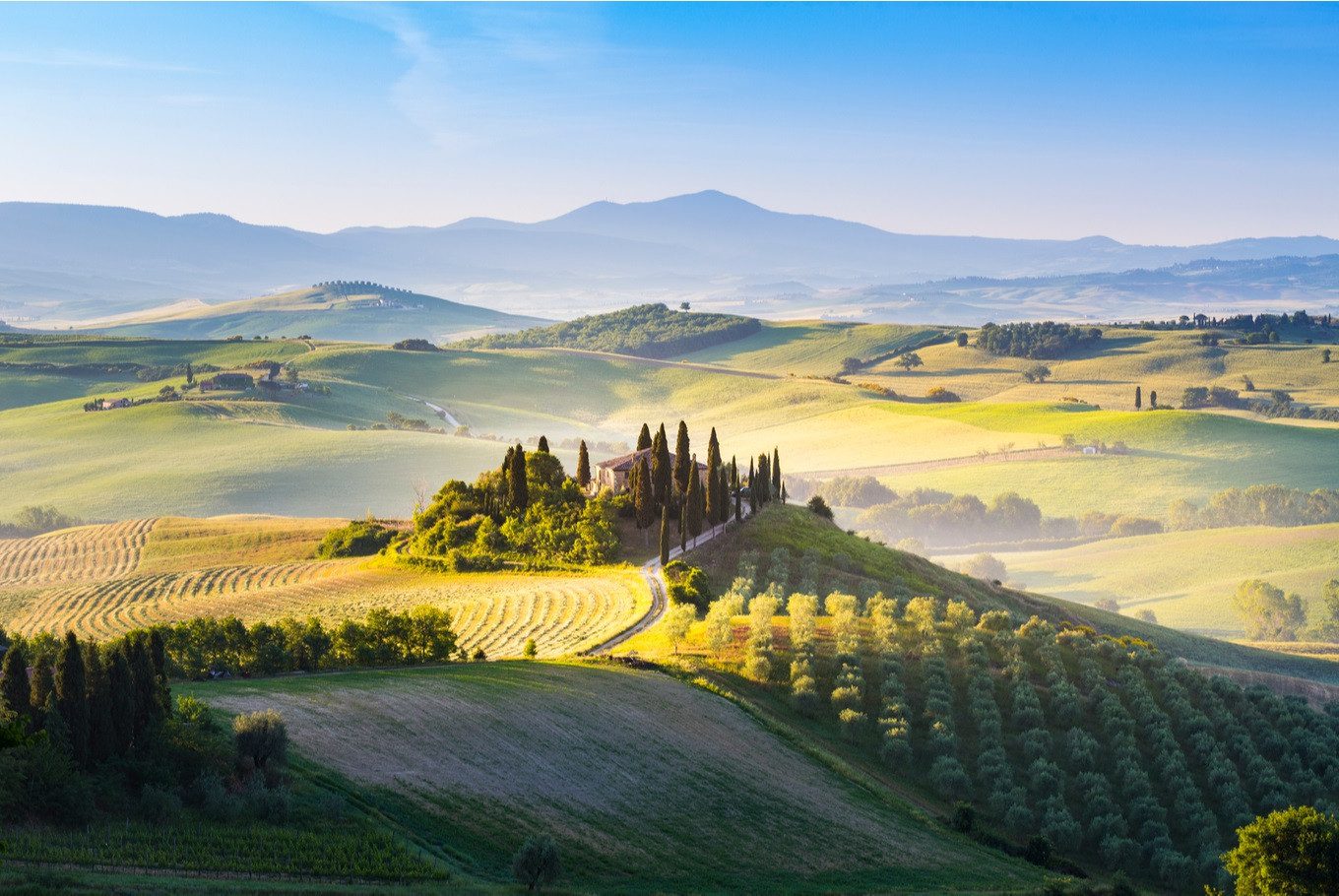
    Tuscany is a region in Central Italy known for its picturesque landscape, famous wines and architectural wonders.  It is the center of art, science and culture during the Renaissance period. It is the birthplace of many a notable people – such as Michelangelo, Leonardo da Vinci, Galileo and modern day fashion geniuses likes Guccio Gucci and Salvatore Ferragamo.

    How to get there

    There are many reasonably priced flights to Italy, generally to the larger international airports of Milan or Rome. From there you can take the train or rent a car to get to Tuscany.  In our case, we landed in Venice and took a train to Florence, the region’s capital.  We booked our car through a website. Italy has a good system of highways and roads that are generally good throughout Tuscany and easier to navigate than most of the countries we previously travelled to.  An International Driving Permit (IDP) to accompany non-European licenses is necessary.

    Where to stay

    The best way to enjoy your destination is to engage with the people and immerse yourself in their culture, instead of staying in the usual hotel, we stayed in an agriturismo – a hotel-like farmhouse managed by a warm Italian family.  There they cultivate their own produce in adjacent fields.  These are then carried directly to the table, giving you the priceless experience of savoring the authentic tastes and scents of the place.

    Spending your vacation in an agriturismo in the province of Siena means visiting an infinite landscaped, historical and artistic legacy with vast tourist resources. It is one of the best things that happened to us while in Tuscany. All guests were treated like family friends and we all had our sumptuous dinner together at a specific time and had some fun activity.  The air is fresh, the rooms are beautiful, the rooster wakes us up in the morning and the views are exhilarating.

    Must do and see

    The territory is very varied and richly colored, with endless rolling greens and fertile hills like those of Chianti, famous for its wine. Florence alone would be enough to promote this region as one of the most-loved destinations by tourists throughout the world with its rich history in art and culture.

    However, Tuscany also means Siena with its Piazza del Campo and Pisa with her Leaning Tower. Also extremely fascinating is the so-called Minor Tuscany, scattered with little villages imbued with a medieval atmosphere: San Gimignano, and Montepulciano.

    The region’s best kept secret

    Forty miles south of Siena you will find Pienza, often known as the Pearl of the Renaissance. Few towns give a better idea of what life was like in 15th century Tuscany. Just down the road is Montepulciano. When you are there, be sure to do three things: look up to see the colorful Pulcinella who strikes the hours at the church of Sant’Agostino; visit the Contucci Wineries, which occupy ancient catacombs beneath the city. You may also want to visit Cortona, a town and commune in the province of Arezzo. It is the setting for the film Under the Tuscan Sun, starring Diane Lane.

    Do it like the natives

    Exploring the hills and villages is one the exciting things to do in Tuscany, you can spend the entire morning learning about wines, joining the harvest and watching the locals tending to their sheep.  You can also spend the entire afternoon gathering produce for the kitchen and learning a few Tuscan recipes.

    Trip Budget

    Tuscany is a tourist destination in a rural setting.  So unlike big cities where you have to spend a lot, here Euro 50 a day for accommodation and few more for gas and souvenirs is already enough.

    How to dress

    Italians love their clothes and dressing well is second nature to them. After all, this is the land of Versace, Gucci and Prada but in rural Tuscany you can wear what you want as long as you are comfortable.  Just have make sure to check the weather when you visit. Comfortable walking shoes are a must to enjoy hilltop villages.

    What to bring

    Being serious photo enthusiast, I brought more photo gears than clothes.  My GPS equipped mobile phone was very helpful especially in navigating to find the perfect spot for picture taking. I also brought along a magnetic compass with me to help predict where the sun will rise and set – again, an essential photography gear.


    What to avoid

    Don’t believe everything that they say on the website especially on choosing your agriturismo.  There are thousands of them scattered all over Italy.  Some might be very cheap but don’t necessarily offer real value for money.

    Ultimate travel tip

    It always pays to do your research before the trip and looking for a local friend online who shares the same interest can be very helpful. We were so fortunate to find an online friend who recommended a great agriturismo to us.

  • Illustrado’s Women of Substance 2010 Event

    Click on the image to view Illustrado’s Women of Substance 2010 event video


  • Finding yourself at The Farm

    Finding yourself at The Farm

    By Lalaine Chu-Benitez


    Three weeks in the Philippines of traipsing through hectic tourist-filled resorts promising sun, sand and fun, and I was somehow tired and jaded.  So the idea of a week at yet another ‘resort,’ didn’t particularly excite my now weary mind.  That is, until I set my eyes on this expansive sanctuary at the foothills of Mt. Malarayat in Lipa, Batangas, some 80 kilometers south of Manila.  There, I found so much more than just the rest and relaxation I was looking for.


    A uniformed driver came to our Makati hotel that late morning to take my husband and me to The Farm – a highly acclaimed multi-awarded spa facility, hailed as One of Asia’s Top Spas, just this year by The Wall Street Journal.  Although, a week at the spa would always be a welcome retreat, I wondered how different this could be from the places we’ve been to before.  After all, a massage is a massage, is a massage – right?

    So off we went South bound for a two hour ride. As soon as we passed the usual traffic which tapered off at the Alabang exit, the horizon widened to a view of lusciously green Laguna. Especially for folks like us who live in the dry and urban Dubai landscape where the sunlight is so stark, it was such a pleasure to cruise along, especially through Batangas’ Star Toll highway filled with rolling plains, coconut and mango groves and lines upon lines of mahogany trees.  It was quite a visual treat on a softly sunny day with blue skies dotted with puffy white cumulous clouds.

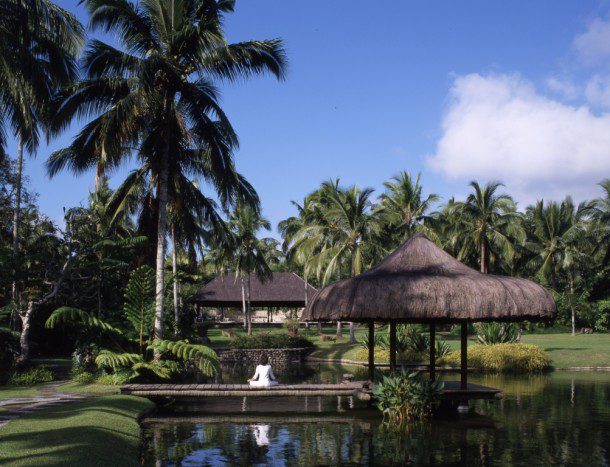
    Within busy Lipa City, we suddenly turned at a nondescript side street, and followed a narrow road through some more groves, livestock farms and a steep but shallow tree-covered cliff leading to the foothills of Mt. Malarayat, until we reached The Farm’s lush but impeccably polished surroundings.  An organic coconut and coffee plantation filled with gardens of tropical trees, plants and flowers; ponds, rivers, lagoons and waterfalls, The Farm, in all its 119-hectare glory, is in a nutshell, nature orchestrated to perfection.

    As soon as we disembarked at the reception area, we were greeted by General Manager Michael Di Lonardi, and his smiling staff who knew us by name and had our wellness program schedule conveniently at hand.  After a long ride on a warm day, it was great to be welcomed with a tall chilled glass of coconut juice and a refreshing cold wet towel infused with the invigorating scent of lemongrass.

    Post check-in, we were promptly led through the palm tree lined driveway, then thru rolling lawns, passing a lake, and finally through a secluded walkway to our accommodation. Throughout the short walk, one couldn’t help but be awed by the sights and sounds of the place – the flawlessly mown carabao grass, the interesting mix of tropical flora, the meditation lounges that seem to spring up at every quiet corner, the calm stillness in the air, the view of the mountain, and just the sheer beauty of it all.  It is the kind of scenery that stops you in your tracks and compels you take it all in, inhaling the profound splendor in one long deep breath.

    The Farm has several accommodation options, but we were fortunate to have a garden villa – a single detached lodging with its own garden cozily tucked within moss and bougainvillea covered concrete walls.  The well appointed Asian-inspired unit has shiny wooden floors, a king sized bed with a ‘kulambo’ canopy, surrounded by sliding glass doors virtually bringing the lush foliage into the bedroom. Just behind the sleeping area is a spacious dressing room-bathroom, featuring all natural toiletries – coconut milk soap, shampoo and conditioner, some lemon grass essence, and a multi-purpose bottle of cold pressed virgin coconut oil, all lovingly created at The Farm. But the piece de resistance has got to be the outdoor tub and rain shower, allowing you the distinctly sensuous pleasure of bathing under the stars to the sounds of crickets and cicadas at night.  Such a romantic and tasteful place by all accounts.

    One thing you can’t find in the accommodations though are TV sets and internet connection.  And quite rightly so, because at The Farm, one is not only supposed to detoxify body, but also mind, so guests are encouraged to rid themselves from the ‘noise’ of technology – quite a tricky proposition for those perennially wired to the virtual world (note: Smart Bro doesn’t work in those parts, but the international Blackberry service does), or those looking for socials, partying or strenuous outings, as well as folks who simply cannot put their mobile phones down (caution: mobile phones are to be kept on silent mode here).  The Farm is meant to be an exclusive secluded sanctuary where you gear down to a calm unhurried pace, learn to be still, spend quality time with your mate or best pal, and just savor being in the moment.  Here, you watch and listen to nature and just allow it to nurture your state of being.

    But certainly, The Farm has more than its share of healthy pursuits to keep anyone busy.  Within its grounds are three swimming pools, the Jungle Gym where one can participate in Callanetics, Pilates, core movement and trampoline dance, and the airy amphitheatre where silent meditation and yoga classes are held.  Those who are looking for other activities can try power walking, The Farm’s Oil of Life tour and Art of Climbing where participants are taught how to harvest coconut, the process of cold pressing and how to make soap using natural ingredients. If inclined, you may also join the vegan cuisine prep classes, flower arranging, or conversations related to health, wellness and spiritual well-being, which alternates with movie night at the main reception area. Better yet, indulge in an impromptu rain dance, if ever you have the pleasure of being in The Farm during monsoon season.

    Speaking of nurturing the body, perhaps one of The Farm’s best facets, among so many others, is their highly acclaimed and awarded vegan restaurant ‘Alive!’  Here, well trained chefs whip up signature gourmet plant based raw foods, prepared with special techniques to resemble cooked foods.  Best of all, virtually all of the ingredients used in the dishes (as well as their spa concoction and toiletries) are grown, harvested and processed right within The Farm’s rich environs – from coconut fruit, milk and oils, to the luscious mangoes, avocados, bananas and other fruits, to the numerous varieties of greens, sprouts and herbs.  It is an effective and noteworthy attempt towards sustainable living from which we could all learn from.

    As a junk food fan, the thought of eating raw vegetables for an entire week was quite disconcerting. But I became a firm believer as soon as I had my first beautifully plated, petite portioned flavorful five course meal which even miraculously included a moist chocolate marble pie.  Quashing all my negative expectations, vegan actually isn’t boring, and is not at all a sacrifice; I never felt any hunger pangs and, instead, learned to appreciate flavor subtleties.  In fact, after our weeklong stay, it was difficult to go back to old eating habits, let alone consume meat like I used to.  A week at The Farm not only makes one asses how they should be eating, but also adjusts your appetite and palate giving you better appreciation for natural good food.

    Unlike other spas, The Farm is known as a medical and wellness retreat, where guests come for a variety of reasons more than just to get pampered. Some are there to convalesce from previous ailments, or to detoxify and lose extra weight; then there or those looking to establish good holistic health and people like us, who came to de-stress.  While guests with specific concerns can avail of European-inspired medical treatments which include holistic medical consultation, nutritional microscopy, colon hydrotherapy, kidney and liver cleansing, among others, there is also an extensive menu of spa services to please the most world weary of urban folks.

    The Farm’s spa, Salus per Aquam, sits at the farthest side of the property, with its airy receiving area overlooking an infinity pool with an expansive view of Mt. Malarayat. There, on our first night, we were treated to a 90-minute relaxation massage which was absolutely magical; there’s nothing quite like a soothing evening massage done to the sound of rain.  In the following days we also tried Hampol – a treatment using herbs and hot compresses followed by “hilot” meant to improve blood circulation; the chlorophyll body wrap based on a malunggay concoction which leaves the skin amazingly supple; the seasonal delight body scrub with papaya and other seasonal fruits, as well as reflexology.

    At The Farm, just when you think you have too much time in your hands, the days, spent on nurturing your body, clearing your mind, learning about healthy and sustainable living, and just enjoying the stillness of nature, pass by without you noticing.

    Our last day was probably the most special one.  We started the morning early at the amphitheatre, the gloriously beautiful day in full view.  There we met The Farm’s resident physician, Dr. Jean Rosales for a meditation session.  After explaining to us the importance of looking at both health and spirituality as essentials to a good life, she took us through a breathing exercise and taught us how to focus on the process to attain a calm relaxed state.  The 15 minute session felt like time standing still – I floated in the comforting feeling of combined detachment and being in the moment effortlessly. When I opened my eyes, the visual and aural impact was so breathtaking that I experienced a moment of profoundness, finally understanding what it really meant to commune with nature and your spiritual side.  My husband and I sat there for a good hour just nurturing the feeling, imbibing the soft sun and the vision of dew drenched green all around us, listening to the gentle sounds of beautiful nature.

    We grudgingly moved to Alive! for our last breakfast, and then for a final swim at the infinity pool at the spa, paying homage to Mt. Malarayat and the trees, savoring the final moments of quietude before we went back to the noisy bustling city.

    We didn’t want to leave.  But despite our heavy hearts, we knew that we were taking back so much more: more than just the restful week in the beautiful countryside, made even more alive in our heads with the memory of crisp smelling lemongrass and basil, the delicately nuanced taste of fresh organic food, the soothing sensation of virgin coconut oil being rubbed on the skin, the feeling of having so much air to breathe in, and just the mere lightness of being.

    We went to The Farm just to de-stress, but came out, not only restored, but somehow changed for life and certainly happier for it.

    …………

    The Farm at San Benito – 119 Barangay Tipakan, 4217 Lipa City, Batangas, Philippines
    Tel: +63 2 696 3795, Cell: +63 918 884 8078, Hotline Number:+63 918 884 8078

    For more information, visit their website at:  www.thefarm.com.ph

  • Nikon Photo Competition in Illustrado’s Women of Substance 2011

    1st March 2011 – Dubai, UAE – Following last year’s success, Illustrado’s Women of Substance 2011 is bringing back the Nikon Photography Competition with a new theme – “The Empowered Filipina.” Finalists’ works will be showcased at the Nikon Photo Exhibit during the annual elegant coffee-afternoon event which honors exemplary Filipinas and promotes female empowerment.

    Spearheaded by Illustrado, the Dubai-based Filipino lifestyle publication, the Nikon Photography Competition is calling for photo enthusiasts around the Gulf to submit their entries essentially portraying the different facets of the empowered Filipina. According to Lalaine Chu-Benitez, Publisher and Editor-in-Chief of Illustrado, “The amount of interest that we gathered from last year’s photo exhibit during Women of Substance 2010 has inspired us to continue contributing to the upliftment of the Filipina international image, as captured by the lenses of photography aficionados in the region.”

    She furthers, “We are returning this year with a more challenging concept ‘The Empowered Filipina,’ which we believe will be a vehicle to highlight not only the outer, but also the inner beauty of the Filipina, her strength of character, resilience and will to succeed and contribute not only to the Filipino community, but to society as a whole.”’

    Aside from the said photo exhibit that gained participation from the sizeable Filipino photo hobbyist community in the Gulf, Women of Substance is back on its fourth consecutive edition with amazing array of segments – from the talk show featuring Filipina achievers and a renowned guest speaker from the Philippines, the make-over runway show, to the bazaar slated to delight the over selected 600 guests, the event promises to be both meaningful and momentous.

    The event will also witness the screening of a mini-documentary, a sequel to “The Empowered Filipina,” by Dubai-based award-winning filmmaker Kamil Roxas.

    Interested photography aficionados can submit three images of Filipinas from all walks of life which embody ‘female empowerment.’ Images should be at least 300dpi and should be emailed to illustrado@inbox.com. The contest is open to all nationalities from all photography levels, strictly based in the Gulf.  Furthermore, heavy digital layering and editing are prohibited. Only the twenty best entries will make it to the Nikon Photo Exhibit during the event which will be viewed by over 600 attendees from the Filipino and international expat community.  Finalists’ photos will be published in Illustrado’s April 2011 issue.  The top winners will receive prizes from Nikon. Deadline for submissions is on the 17th March 2011.

    Women of Substance event is celebrated in the Gulf in conjunction with International Women’s Day. For more information, please contact Illustrado at 04-3654547 / 04-3654543.

    -Ends-

    About Women of Substance

    Illustrado’s Women of Substance is an advocacy in conjunction with International Women’s Day. It is a celebration of Filipina empowerment, achievement and contribution aiming to provide inspiration to boost the morale of the Filipino community, and to be a reflection of the positive and balanced international image of the Filipina.

    Every year, Illustrado presents Filipina honorees from the Gulf who exemplify achievement, societal contribution and exceptional character.

    For inquiries on the Women of Substance Event, please contact Johanna Dalocanog at +971 4 365 4543 or 365 4547, or e-mail johannadalocanog@illustrado.net

    For general inquiries on Illustrado contact the above numbers or e-mail us at: admin@illustrado.net

  • Scrapbook: Chris Calumberan

    Scrapbook: Chris Calumberan

    Chris Calumberan Professional photographer Chris Calumberan started his career working for production companies in Dubai. He began by updating databases of model profiles for agencies. While understanding how the system works, he involved himself in model booking, location scouting and management as well as production assisting for TV commercials and print ads.   As a self-taught photographer, he started assisting mentors specializing in Portraits, Interiors and Food which molded him to become a general photographer. He found his niche and started specializing in portraits and fashion where he established his recognizable style in his works. Group hobbyists and semi-professionals consider him an inspiration for his willingness to share his talent by offering apprenticeship and mini-workshops. “It is all about visualization. As I shoot, it’s very important that I have the concept in my head. Before the actual shooting, I scout the location and get my measurements done (light source, compass readings, shoot timings). Everything has to be coordinated; from the subject, wardrobe, make-up, up to the last detail in post- production.  I learned this discipline while working with different photographers. For me, this is the ideal way to work.”   Check out his works on:  http://chriscalumberan.com/
  • Scrapbook – Pinoy Digital Photographers Kuwait (PINDOT)

    Scrapbook – Pinoy Digital Photographers Kuwait (PINDOT)

    Pinoy Digital Photographers in Kuwait (PINDOT) Avid Filipino amateur photographers in Kuwait, Pinoy Digital Photographers (PINDOT), adhere to the motto “Share, Learn and Respect.”   Together, the group’s 60 members enjoy photo walks, lectures and contests designed to pique interest and to polish their shooting skills.  PINDOT is involved not only in creative pursuits, but also participates in socially-relevant endeavors particularly focused on the Filipino community in the country. Girl in the Ruins by Mizpah Reyes Abandoned by Love by Chris Sanan Beware! by Ivy Laughton Crawl by Ramil Sunga Diva by Neil Ocampo Emotionally Yours by Aldrin Marin Indian Goddess by Al P. Manlangit Ivy by Anna Rose de la Flor Mysterious by Najwa Marafie Noora by Leonel Pura Princess by Eduardo Romero Priya by Ricky Laguda Trio by William Martinez Waiting in Vain by Rico Canosa B&W by Bong Cruz
  • Isabelita Warren – Of Food and Mother’s Love

    Text By Lalaine Chu-Benitez, Photo by Alan Desiderio

    “Everytime I would cook food, I would always remember you when you were in Saudi Arabia.”  Tears welled in Illustrado Women of Substance 2009 Honoree Isabelita Sabado Warren’s eyes as she recalled her mother’s words when the latter was still alive – referring to the period when Isabelita, just like so many thousands of Filipinos, bravely lived the life of an Overseas Filipino (OF) longing for home and her family, as she worked to make a future for herself in the kingdom.


    Doting mother and entrepreneur Isabelita, the seventh of eight siblings, grew up sharing a special bond with her mother, Nanay Tuneng, in a cheerful home where life seemed to center around their abundant dinner table.  With her father Eugenio, a farmer of humble beginnings who had the knack for saving and acquiring land, the Sabado family of Magdalena, Laguna owned farmlands, fruit and vegetable plantations, as well as a poultry farm making them self-sufficient without needing to buy food from anywhere else.  “We always had fresh food from our own farms, and my mother loved cooking.  I remember that our table would always be full of wonderful dishes all the time.  We were very lucky.”

    Growing up in a typical matriarchal Filipino household, Isabelita recounted, “My father was the brains of the family.  But my mother definitely was the strength and the heart.”  From her father, she seemed to have acquired an entrepreneurial inclination from a young age.  “I used to run movies in the neighborhood, with our family having the first TV in our community.  I also sold ‘ice candy’ to the movie goers,” she chuckles at the memory.  “From my mother, I must have learned generosity.  She always ended up giving away food, which she intended to sell in our little carinderia, to our neighbors.  Looking back, I see a lot of my mother within me.”

    But the charmed life in the idyllic barrio had to take the backseat as Isabelita sought her own future away from home.  “I became a pediatric nurse and at the time that I decided I would go to Saudi in the mid-80’s – it was so difficult.  I remember the morning when I was about to leave and my father spoke to me.  He was crying but he supported my decision. I just had to be brave and follow my destiny – even if that destiny was away from home.”

    Isabelita landed in Saudi Arabia as part of the pioneering team which established operations for the Saudi American Hospital.  With her skills and innate good nature giving her a good headstart, she was readily recognized by the management for the quality of her work and at only two years, was appointed the post of Chief Nurse.

    Her life then in Saudi was just like any other OF’s.  She recounts making USD500 every month and took pride in being frugal and managing to send most of her earnings to her family.  “It was quite lonely back then. But every time I would hear from home, my mother would always tell me about whatever food she was preparing.  Somehow, my family always thought about me whenever they would sit down to eat.”

    Though, Isabelita wouldn’t be lonely for long. She met Glen Warren, a gentle American who worked in the construction business.  They eventually got married in 1989 and ended up raising their kids in the kingdom.  Despite that fact that the two of them started at the bottom of the ladder at the beginning of their careers, just like anybody else, hardwork and being financially smart led them to a very good future.  “Glen is very bright and really helped in growing his company.  I also worked very hard and little by little we were able put money away in savings.”  Not for long, the couple’s diligence paid off and they had the opportunity to put some money in a property in the US and eventually in some other investments.

    The couple with their four kids in tow, moved to Florida in 1995, only to return to the Middle East, once again, in lieu of Glen’s new assignment in Dubai in 1999. Isabelita who also worked as a nurse midwife in Florida, had to put the family’s needs as her sole focus then – the constant travelling which was part of their life made it difficult for her to continue nursing.

    As the kids grew older, Isabelita’s calling for entrepreneurship surfaced and she decided to set-up her own business venture in 2004 – Tritrade International, a trading company at the Ajman freezone.  With virtually no commercial experience but armed with good business instincts and an even better ‘can do’ attitude, the former nurse and homemaker bravely entered the Filipino food import and distribution sector and competed with established traders in the emirates.  Isabelita virtually ran a one-woman-show in the beginning, helped by her young kids.  “I did everything with the help of the kids – we ran the office, took care of the goods and I even went to each supermarket myself trying to make deals with the retailers.”  In a field dominated by strong players, survival was the order of the day.  “Our competitors were just waiting for us to fail.  Fortunately, I am a very good saleswoman,” she says, her eyes twinkling.  And one is bound to believe that judging from how far Tritrade has gone.  From a monthly import of one twenty-foot container during their starting year, Tritrade now brings in up to six forty-foot containers every month and supplies popular Filipino brands – like Oishi prawn crackers, Barrio Fiesta condiments, Marifood bihon, Leslie Clover Chips among many other Pinoy food products to over 120 supermarkets in the country, growing in profitability right after their first year of operations.

    But her best commercial project is yet to come.  Disappointed by the open market system where distributors are not protected, Isabelita decided to develop her own brand – a move that has put her in a unique position where locally-grown Filipino brands are very rare.  She went about developing a line of sauces, condiments, crackers and snack items in 2005, adding her own personal touch to the recipes while ensuring that the formulations are very ‘health conscious.’ In 2006, she launched her food range branded ‘Nanay Tuneng’ – commemorating her mother who fostered much love in the family through good food.  “My nanay always made our family happy with food. Food was her way of showing us love.  And when you’re here, food is one way to surpass the loneliness.  When you eat something that reminds you of home, you somehow feel comforted.”

    Even more than her food brand, Nanay Tuneng’s influence on Isabelita’s life has seen an extension in her works – in the charitable activities she has initiated in her hometown.  For her birthday every November, she holds a month-long feeding program for close to 3,000 children in the 29 baranggays of Magdalena – aided by 10 volunteers who cook and deliver food to schools, and by some of her generous suppliers who donate raw materials.  She also opened a vocational school in her father’s name, in collaboration with the TESDA in 2009 to provide free practical courses on electronics, plumbing, cosmetology, etc., to out-of-school youth to help alleviate the hopelessness she has sensed in the young people of her hometown. “This is my way of adopting my community and encouraging other people to make an effort to help.  I also want people to realize that you can be what you want to be no matter who you are in your life.”  Unsurprisingly, as with other philanthropists in the country, she was asked by her community to run as Mayor.  An invitation Isabelita declined. She remarks, “My father taught us that you don’t need to be a politician to help.  Anybody can help in their own way and we shouldn’t be helping because we have vested interest.”

    Despite a full home life in Dubai with her husband and kids, a busy work schedule and constant travels, Isabelita also finds the time to support local community projects and is a key member of FILEX (Filipino Expats Foundation in the UAE). “I feel so lucky.  This is my way of paying forward the bountiful blessings I have received.”

    Somehow, looking at her life filled by good memories, familial affection and generosity, one can’t help but think that food and mother’s love really go a long way.

  • Fashion: Festive Filipiniana

    Festive Filipiniana

    Photography: Filbert Kung (Blackfox Photography)

    Styling: Mike de Guzman & George Palmiano (MGP)

    Makeup: Lilian Yeung

    Hair: Mycke Arcano

    Models: Peter Nordel and Grendel Alvarado (PMAP)

    Not to be outshone by the brilliant season’s lights are these dazzlingly definitive Filipino pieces from the country’s designers with a penchant for our rich and unique sartorial heritage.

    Fashion: Festive Filipiniana

    On Grendel: Piña fiber post-modern Barong top with geometric patterns by Louis Claparols; black leggings by Terranova; black banana fiber sunvisor, used as necklace, by Dita Sandico-Ong; multi-braided chain choker with ribbed agate stone by Estrellas Manila by Marge Abas; black corset belt by The Ramp, Crossings; round-framed sunglasses by SM Department Store. On Peter: Striped gray Barong Tagalog by Barge Ramos; striped floral pin by Dita Sandico-Ong; black wool trousers by Mundo by The Ramp, Crossings.

    Fashion: Festive Filipiniana

    On Grendel: Banana fibre dress with tinalak weave, black banana fibre sun visor, used as headdress by Dita Sandico-Ong; black and pink floral abaca headdress, triple-strand tubular gold necklace, gold faux snakeskin bangle with stones by Firma; vintage gold chain necklace jade drop pendant by Estrellas Manila by Marge Abas; multi-linked statement gold neckpiece, antique gold ornamental bangle, gold fully-beaded arm cuff, gold tribal arm cuffs all by Estien Quijano; opaque leggings with geometric pattern by Louis Claparols. On Peter: Black Barong Tagalog with white embroidery by Barge Ramos; sheer sebiÑa fibre shrug by Estien Quijano; black feather brooch by Firma; black dropped crotch pants by Terranova Man; transparent futuristic eyewear by Firma; black leather shoes by Wade

    Fashion: Festive Filipiniana

    LEFT – On Grendel: Black satin wide-legged jumpsuit by Frederick Peralta; banana fibre chequered halter top, gray banana fibre sun visor, used as headpiecevand black obi belt all by Dita Sandico-Ong; black faux fur shrug by The Ramp, Crossings; silver chandelier earrings by Firma; beaded statement necklace by Nicole Whisenhunt at Firma; shoes by Janylin. On Peter: Gray sebina fibre pleated top with Mandarin collar by Estien Quijano; black layered body chain accentuated by a gun metal skeletal chain mail by Estrellas Manila by Marge Abas; charcoal gray slim pants by Mundo by The Ramp, Crossings; black leather belt and gray faux croc shoes by Wade

    RIGHT – On Grendel: Silver gray banana fibre wrap, gray flower pin, black leggings all by Dita Sandico-Ong; gray sebina fibre tassled one-shoulder dress by Estien Quijano; gray cage shoes by Janylin. On Peter: Cream sebina fibre sheer shirt, ruched sebina fibre sheer cropped pants and white trunks all by Estien Quijano; white raised-collar long-sleeved top by Mundo by the Ramp, Crossings; white hip shoes by Wade

    Fashion: Festive Filipiniana

    On Grendel: Piña fibre ruffled opera coat and black satin wide-legged jumpsuit by Frederick Peralta; silver chandelier earrings by Firma; gray banana fibre sun visor, used as headpiece, banana fibre chequered halter top, and black obi belt all by Dita Sandico-Ong; beaded statement necklace by Nicole Whisenhunt at Firma; shoes by Janylin. On Peter: Gray sebina fibre pleated top with Mandarin collar by Estien Quijano; transparent futuristic eyewear by Firma; blacklayered body chain accentuated by a gun metal skeletal chain mail by Estrellas Manila by Marge Abas; black leather belt by Wade; charcoal gray slim pants by Mundo by the Ramp, Crossings; gray faux croc shoes by Wade.

    Fashion: Festive Filipiniana

    On Grendel: Piña fibre post-modern Barong asymmetric top and opaque leggings with geometric patterns by Louis Claparols; mariposa wrap with bamboo print and gray banana fibre sun visor used as headpiece all by Dita Sandico-Ong; beaded statement necklace by Nicole Whisenhunt; white shoe-boots by Janylin. On Peter: Gray sebina fibre pleated top with triangular collar by Dave Estien Quijano; black flat-front pants by Mundo by The Ramp, Crossings; silver necklace by IORA; white braided belt by The Ramp, Crossings; white flat sneakers by Wade.


    Fashion: Festive Filipiniana

    SHOPPING GUIDE:

    Barge Ramos – +63 917 848 1950

    Estien Quijano – +63 917 324 1010

    Dita Sandico-Ong – +63 920 245 0475

    Estrellas Manila by Marge Abas – +63 916 573 1583

    Firma – Greenbelt 3

    Frederick Peralta – +63 917 845 5117

    IORA – SM Mall of Asia

    Janylin – Glorietta 5

    Louis Claparols – +63 927 739 5925

    Mental – SM Megamall

    Mundo by The Ramp Crossings – Trinoma

    Nicole Whisenhunt – Firma, Greenbelt 3

    SM Department Store

    ________________________________________________________________________________

    More articles on Illustrado’s Fashion and Beauty page @Illustrado life. 

  • Louis Eguaras: A Pinoy Chef’s Journey to the White House

    By Loraine Balita

    Chef Louis Eguaras worked his way to the White House kitchen and served many a famous palates like that of Former President George Bush, Sr., First Lady Barbara Bush, Former President Bill Clinton, Armold Schwarzenegger, Bruce Willis, Demi Moore, and Nelson Mandela just to name a few. He now shares with Illustrado the culinary journey that took him from cooking spaghetti in his Mom’s kitchen in Alabang to preparing gourmet dishes for dignitaries in the US capital.


    White House Chef in the Making


    Born and raised in Manila Chef Louis remembers how as a kid his Mom who was then working for the Intercontinental Hotel would take him to her workplace in Makati. He would spend his time in the hotel kitchen listening to the clanking sounds of the pots and pans and savoring the aroma of the meals crafted by the chef. “I enjoyed going to The Jeepney Grille (Intercon’s restaurant by the lobby) and going into the kitchen watching the cooks and chef. This, I believe was my introduction to the hussle and bussle of the organized chaos of the culinary world,” he shares. He warmed the kind of world he saw in the kitchen — “I loved the uniforms, the language, the terminology and having the chef let me try little morsels of whatever they were preparing,” he explains.

    But it was not until he turned 13 when he became absolutely hooked to cooking — just after his mother taught him how to cook spaghetti with meatballs. “I really enjoyed the “mise en place” or the preparation of the meal. I enjoyed the sounds the food made on the sauté pan or when people commented “this is delicious!” He even remembers how he would open his mother’s cookbook and try out recipes.

    The Beginning of a Long Journey

    “I started working as a dishwasher at a restaurant down the street from me and worked there all throughout high school,” he shares. Right after high school the then 20-year-old Louis enlisted in the US Navy as a culinary specialist. Soon after, he joined the Camp David Presidential Retreat culinary team under the White House Military Office. There he had the honor of cooking for President George Bush, Sr., First Lady Barbara Bush, Vice President Dan Quayle, Second Lady Marilyn Quayle and other presidential guests like Prime Minister John Majors of Great Britain, Prime Minister and Mulroney of Canada.

    “When President Bill Clinton won the election, he started downsizing the US Navy and hardly used Camp David because he had allergies,” Chef Louis narrates. And it was around this time when he was given the opportunity of a lifetime.

    In 1993, he was offered a job in the White House. Chef Louis grabbed the chance and within a week he was on his way to the White House Staff Mess – “a fine dining restaurant in the West Wing that served the President, First Lady and Senior Staff members like David Gergen, Leon Panetta, Sandy Berger, George Stephanoupolis and Dee Dee Myers,” he shares. During his two years there, he also served many foreign dignitaries like Nelson Mandela and celebrities like Tom Hanks, Jimmy Buffett, Sir Anthony Hopkins, Oliver Stone, James Woods, Mick Jagger and the Rolling Stones.

    In 1995 he was offered an opportunity to work in Hawaii as a personal chef for a Four-Star Admiral. He recalls how one of the Filipino Master Chefs in the White House advised him to take his culinary adventure to other places aside from Camp David and the White House to further his career so he said yes to the post in Hawaii. There he would start work by 5am to cook breakfast for the admiral and stayed till a little after lunch. “By 2pm I would be done with my day and by 2:30pm, if I was not at the residence by then, I was at Waikiki Beach or Haunama Bay!”

    In 1997 he decided to take his culinary journey to California. There he started his own catering company which he called Presidential Culinary Service and catered for small events. Then one day while teaching his wife Agnes how to cook, the latter noticed how Chef Louis has talent not just in cooking but in teaching. Agnes who has been teaching for more than 15 years encouraged Chef Louis to try his hand at sharing his knowledge to the next generation of chefs.

    Teacher Chef Louis

    Chef Louis went back to culinary school to finally finish his degree in 2005 before applying for teaching posts in culinary schools. “I started teaching actually at a local college in 2005 and enjoyed it so much.” He then decided to teach at Le Cordon Bleu in 2006 which made him fall in love with the profession even more.

    “I am currently teaching at Le Cordon Bleu College of Culinary Arts, Hart District ROP Culinary Arts Program and Los Angeles Mission College Culinary Arts Institute.” Chef Louis who has been teaching in Le Cordon Bleu for four years and Hart District ROP for two years is so excited about his new teaching post at the Los Angeles Mission College. He loves sharing his passion for cooking and extensive experience that he even wrote a book entitled 101 Things I Learned in Culinary School. The book is for people who are interested in the culinary arts or for students who are just starting out.

    Do Something That You Love

    The amicable chef who is currently working on another book advises those who would like to follow his footsteps to ask themselves if this is something that they really love. “The most important factor is doing this because you love what you do when you cook,” he says. He reminds would be chefs to not do it for fame or fortune or to make money right away. “Like any industry, it takes time and it [success] does not happen overnight. Be patient, work hard, play hard and have fun!” he shares.