Tag: Pinoy abroad

  • The Annie B. Chronicles: “Krisis the Moment”

    The Annie B. Chronicles: “Krisis the Moment”

    The Annie B. (Batobalani) Chronicles

    The adventures and misadventures of a ‘not so average’ Pinay trying to make it in the cosmopolitan city of Dubai.


    The Annie B. Chronicles: "Krisis the Moment"


    Last month, may kumalat na tsismax sa aming opisina na dahil nga raw sa recession, people have stopped buying luxury goods. Mga kaartehan na pagkakagastusan lang tulad ng aming mga fashion products. Ibig sabihinm tigil muna sa pagpapaganda ang mga utaw habang taghirap –  baka sakali ngang mauso ang squatter look eh at least vogue na vogue pa rin sila. Ekkkk!!! Wrong!!! Tag-hirap na nga tapos hahayaan mo pang magmukhang mahirap ang itsura mo? Mali di ba?


    Heniwey, dahil nga sa sobrang baba ng sales at performance ng aming company at on hold halos karamihan ng mga orders naming from our clients all over the world ay kailangang mag-forced leave ang karamihan sa amin upang makabawas at makabawi sa operation costs and expenses. But that is just the icing on the tip of the iceberg. May mga ibang staff na kailangang tsugiin for good – either early or forced retirement or termination of contract. Isa-isang tinatawag at nire-review ang lahat sa office ng GM naming. Para kaming naging instant contestants ng isang beauty contest – yun nga lang, we’re not rooting for ourselves na mapili…kasi ayaw naming matsugi!


    Nang tawagin ako ng aking boss, uminom muna akon ng isang latang Red Bull at nagre-touch ng aking fez. Sabay hinga ng malalim habang nag-catwalk sa loob ng kanyang office. Ang verdict: forced leave ako for two months. Ibig sabihin ligtas ako, may trabaho pa rin pero naka pause muna for 2 months – 60 days na walang suweldo, income, datung, bread. Pero may babalikan pa rin. Haaaayy, ligtas ako!!!


    Muntik na akong mapasayaw ng “All the single ladies!!” sa labis na saya ko nang bigla nakita ko si Stacy, ang South African na sekretarya ng kabilang department na nag-aalsa-balutan at humihikbi sa kanyang desk. Lalapitan ko sana pero bigla kong nakasalubong si Mohammed 8 (oo, de numero ang tawag sa kanya sa sobrang dami nilang magkakapangalan sa office) na lukot ang pagmumukha at nakatungo lang sa sahig habang naglalakad. Nag back out ako bigla. Naisip kong bigyan muna ng space at sariling moment ang mga sinawimpalad kong mga officemates. Ano nga ba ang sasabihin ko? I’m sorry??? Bakit naman mag-aapologize kasalanan ko ba?


    The Annie B. Chronicles: "Krisis the Moment"


    Paalis na ako ng office nang sumaglit lang ako sandali sa toilet. Narinig ko may umuungol na parang asong baliw sa loob ng cubicle. Binuksan ko ang pinto at nakita ko si Leonie – ang babaeng humugot sa akin upang tadyakan ko siya…ang mortal enemy ko…ang Negastar ng daigdig ko…ang bad news sa buhay ko – na tumutulo ang sipon sa kakahagulgol ang demonya! Basang basa na ng sipon ang fake nyang Burberry hankie kaya inabot ko ang sa akin – at least malinis at hindi peke.


    Nang mahimasmasan na si Leonie ay wala pa rin itong binabanggit na salita. “Kaya mo yan, sis.” Sabi ko. “Bigyan mo ako ng copy ng CV mo. Pramis, tutulungan kitang maghanap ng bagong trabaho. Ipasa ko sa mga contacts ko sa PA Club.” Wala pa ring reaction ang bruha. Nang lumayo na ako ay pinisil lang nya ang kamay ko nang mahigpit. Sisigaw sana ako ng araaaayyyy pero bigla syang bumulong sa akin ng isang napaka-lambot na “Salamat, Annie…” habang humihikbi pa rin.


    So now I have to design my master plan for my 60 days unemployment period. Huwag na maglukmok sa sorrows and emotions. Harapin ang sarili at kinabukasan. Tandaan: hindi mawawala ang mga bayarin tulad ng credit cards, monthly rent and utilities at everday expenses like food and toiletries. Dapat think positive. May mahahanap din akong raket pansamantala. Huwag magpaka-losyang! Dapat um-outfit pa rin para patuloy na bongga ang aura! Go!


    ________________________________________________________________________________


    More Annie B. and Filipinisms articles on Illustrado Life

  • It’s What I Do: Josephine Cuthbert and Nelson Edward

    It’s What I Do: Josephine Cuthbert and Nelson Edward

    JOSEPHINE CUTHBERT

    Vice President of Administration & Affairs
    EMIRATES CULINARY GUILD

    Dubai, UAE


    My Job: 

    My role, which is pivotal to the success of the guild, is extremely diverse.  It’s not only about communications and maintaining databases but also handling competitions, sponsorship agreements and recording.  I manage solely the entire registration process of over 1200 competitors for the guild’s largest event – the Emirates Salon Culinaire.  I am also in-charge of managing schedules, the arrangements with judging panels, transport and finances, tabulating the winning results down to medal preparation and certificate printing. Where other culinary associations work with a dedicated events company, I handle this task single handedly.  As a non-profit organization, where corporate sponsorship is key, I also manage sponsorships, as well as provisions for clients at the monthly meetings where I am the Chief Scribe providing members updates and fielding questions about upcoming events. It’s a robust job that is challenging, as I deal with various nationalities and management levels across the globe.


    A day in my life:

    Since I work from home, I start my days with breakfast whilst going through emails and checking urgent messages that need attention. I deal with a lot of these, so my mornings are usually filled by this task for the guild. One of the things that I enjoy the most in my job is meeting different people from around the globe when we have culinary events. Receiving congratulatory messages for me and my team from international judges is quite exhilarating, as well as always being invited onstage at the grand awards ceremonies to be recognized for a job well done.


    Career advice:

    In this competent world, always try to upgrade your knowledge, so you can enhance your skills at work. Always take with you, patience and tolerance, hard work, perseverance, purpose, and belief in yourself. Most of all, love your job and it will love you back.


    NELSON EDWARD

    Manager- System Networks and Communications Department,
    System Solutions and Communications Division

    PANASONIC MARKETING ME & AFRICA

    Dubai, UAE


    My Job: 

    I wear many hats at work.  First of all, I make sure that my subordinates achieve their respective targets across Middle East and Africa.  As Marketing Manager I ensure that our line-ups are up to the current market requirement and demands, not only in price but also in features.  This includes promotions, strategic planning, analysis, and etc.  My job entails a lot of travelling – an average of 2.5 times a month, to visit markets for product presentations, trainings and meetings.  Taking regular travel as an opportunity, I also make sure I have fun, meet new friends, learn about different cultures, and of course, bring home some souvenirs from my trip.

    I started in Panasonic as coordinator and one of the most remarkable things that happened to me is that I have been able to build trust with my team and top management, including HQ in Japan.


    A day in my life:

    My days are challenging and full of continuous learning and fun.  My team is very diverse (Filipino, Japanese, Chinese, Indian, Moroccan), so I have to be very tactful in my approach with each unique cultures.  Shouting is definitely not in the list of my things to do with my team, since I believe there is always a solution for every difficulty no matter the challenge.


    Career advice:

    Do not give up your dreams. We should be flexible in adapting to new challenges and changes.  Mistakes happen but we should convert them into “lessons learned.”  We should make good reason to love our job, so that we do not need to work in our life.


    Find more Money, Business and Law articles on Illustrado Life here.

  • Ramadan basics for Non-Muslims: Beyond Fasting and Iftar

    Ramadan basics for Non-Muslims: Beyond Fasting and Iftar

    By Wafa Qasimieh and Dr. Abdul Hannan Tago


    For most non-Muslims, Ramadan stands out as the month of fasting by day, and generous iftars by night.  But there is so much more to this rich Muslim tradition that’s worth exploring and learning from – especially for those of us who live in the Middle East.  Muslim Filipino community leaders Wafa Qasimieh and Dr. Abdul Hannan Tago, share some essentials points about the Muslim world’s Holy Month.


    Ramadan: Beyond fasting and iftar


    Ramadan and its’ lessons

    The month-long observation of Ramadan is marked by abstinence from food and drink during the day time, especially in public places in respect to the host country following the religion of Islam.  Muslims break their fast at iftar and partake of food with friends and family.

    WAFA QASIMIEH - Illustrado Most Influential Filipinos in the Gulf - Photo by Alex Callueng, Asst Photog - Bethoven FilomenoProviding a background to the special significance of the holy season, Wafa Qasimieh who is the Major Cultural Consultant in Cultural Administration at the Department of Islamic Affairs and Charitable Activities – Government of Dubai, explains, “The month of Ramadan is not only the month of fasting. It is also the month of the Qur’an – the Muslim Scripture. “Ramadan is the (month) in which the Qur’an was sent down, as a guide to mankind, also Clear (Signs) for guidance and the differentiation (between right and wrong)” (Al-Qur’an, 2: 185).  She continues, “Fasting is one of the pillars of Islam. Its main objective of fasting is to achieve piety and righteousness. This implies becoming conscious of our Creator, increasing our awareness of His Majesty, exalting and glorifying His names and attributes, appreciating His greatness, recalling His blessings upon us, and being grateful and thankful for His guidance.


    DR. ABDUL HANNAN TAGO - Illustrado Most Influential Filipinos in the Gulf - Photo byAccording to media veteran Dr. Abdul Hannan Tago, former resident of Saudi Arabia, who is now currently in the Philippines, “Ramadan is not about merely following religious obligation and tradition, so you feel like a devoted believer. Ramadan and the practice of fasting is about being merciful, generous and caring towards the poor who might not have anything to eat.”


    In the Philippines, where the spirit of Ramadan is not as palpable as it is in the Kingdom, Dr. Abdul Hanan Tago takes particular care in observing Islamic practices.  He says, “We limit worldly activities that would distract us from the true meaning of Ramadan. We spend most of our time at the mosque for long prayers. We should be home before 6 pm to break our fast with family members, who gather together to enjoy a variety of foods and recipes. Although, personally, I do not encourage spending too much time and money to prepare food. We also take our midnight breakfast (sohour) between 2AM to 4AM.


    For Wafa Qasimieh, Ramadan is a time for prayers, she remarks, “We devote even more time to praying, more time spent at the mosque to listen to the reading of the Qur’an. It is also time to be with families and friends and share iftar.”


    The do’s and don’ts

    It is prudent for Non-Muslims to be mindful during Ramadan.  According to Dr. Abdul Hannan Tago, “eating in front of fasting Muslims is very disrespectful. So avoid eating, drinking even smoking in public during the daytime.”  Wafa Qasimieh adds, “You’re not obligated to fast, but be courteous of those who cannot eat or drink. Most Muslims in the UAE fast during Ramadan (except for include pregnant women, elderly people, someone who is unwell) and yet go about their jobs with the same dedication. It is important to respect those who are fasting, as well as to refrain from drinking alcohol and from wearing inappropriate clothing.”


    Wafa also reminds us to be considerate of friends and colleagues who are fasting as they might be low on energy during the day – “If you have a friend or a colleague who is fasting, please understand if you see they are low on energy.  She also reminds non-Muslims to be tactful on how they regard fasting. “Do not tell your Muslim friends that you want to fast to lose weight.” She explains, “Ramadan is not about fasting to lose weight. It’s about teaching yourself discipline. It’s about abstinence, about keeping yourself pure.”


    Of course, in understanding Muslim tradition during the Holy Season, there’s nothing better than learning through practice.  Wafa Qasimieh recommends, “Greet your Muslin friends with the phrase – ‘Ramadan Mubarak’ (blessed Ramadan).   In case your Muslim friend asks you to join in a Ramadan fast, say yes and try it – if only for a few days. To partake in a Ramadan fast, you must avoid eating and drinking (during the designated times), smoking, chewing gum, dancing, playing loud music, wearing tight or revealing clothes and swearing. If your Muslim friend invites you to an iftar meal, accept. Lastly, offer to help a Muslim friend with strenuous chores or errands like lawn mowing.”


    In keeping with the season’s spirit of generosity, Dr. Abdul Hannan Tago suggests, “Before 6PM, offer food to those who are fasting, for instance to passersby on the road, especially the less fortunate laborers, who do not have time to prepare their meals or, who might simply be poor.  This is an example of a good humane practice, which we can all do during Ramadan.”


    Beyond the practice gathering with families, Dr. Abdul Hannan says both Muslims and Non-Muslims can learn many lessons from fasting including self-discipline, humanitarian care and service to the community.  He adds, “Living in a Muslim country or abroad, you have the advantage of learning good things from other cultures. Ramadan offers a chance for us to learn and understand our Muslim brothers.  Wafa Qasimieh agrees – “If only non-Muslims will be interested in learning the Qur’an and embracing Islam, there is so much to be learned from it.”


    Find more featured articles here.

  • It’s What I Do: Kareen Javen-Vanguardia

    It’s What I Do: Kareen Javen-Vanguardia

    Kareen Javen-Vanguardia

    Architect


    It's What I Do: Kareen Javen-Vanguardia


    My Job

    I arrived in Dubai on the day after my 26th birthday.  It was my first trip outside the Philippines and so far the longest 9 hours inside an airplane.  I am a registered and licensed Architect and a very young one, then. I left with both excitement and anxiety.  I was turning my back on a developing career in Architecture and Project Management. I was already an Associate at 24 in a small design firm. I shifted to Project Management at 25 and worked with a team in a multi-million-renovation project of a 5-star hotel in Cebu.  But the prospect of earning five times my salary should I decide to work in Dubai then, made the decision much less complicated.


    My Company

    I work in a Design Studio with a team of architects and designers.  Our company is an international multi-disciplinary design consultancy for Architecture and Engineering.  I have been in the same company for the last ten years.  Our projects range from residential, commercial, hospitality and mixed-use developments located in and outside the UAE.  I was involved in some note-worthy projects such as The City Walk Residential Blocks and Saadiyat Beach Club and Centro Hotel by Rotana to name a few.  Some projects would last for a year or more while others take less.  So even if I have been with the same company for a long time, I always find new adventures when new projects are assigned to us.  A typical day in a life of a Technical Architect is consumed mostly in front of a computer.  As such, my main goal at work is to communicate and document architectural design thru drawings of a specific building for client presentation, design coordination, statutory approvals, tender documentation and construction.  My hands are always busy “drawing”, computing areas for design programs and helping-out in visual presentations, reports and coordinating project matters with other players within and outside our office.  In a collaborative work environment, leadership and teamwork is quite important and I can be the leader when needed or a team member.


    It's What I Do: Kareen Javen-Vanguardia


    My Journey, Thus Far

    Looking back, the invitation to work in my current company was an answered prayer. It was basically my ticket to Dubai.  My college friend gave the lead and passed my CV to her boss. The job opportunity was for a technical team of draftsmen and detailers using computer applications. I was more inclined to do design and project management before.  At first, I was a bit reluctant of my role in the office.  But this job abroad trained my eye for details and exposed me to the more technical side of Architecture.  After a year, I was promoted to become a Senior Architectural Technician.  Fast forward to date, my business card bears the word “Architect” under my name.  Indeed, the field of Architecture has many niches.  And no work behind the scene is trivial.  It took me a while to prove that I can work hand-in-hand with nationalities that have more sophisticated knowledge in this field.


    It's What I Do: Kareen Javen-Vanguardia


    The trend of Filipinos being forced to work abroad for economic reasons seems to go on a steady rise.  But many are disillusioned to find out that being an OFW is not as easy as what it seems.  It is not for the faint-of-heart to begin with.  So it is important to weigh your options well and assess yourself before deciding to leave.  On the contrary, living abroad on your own can also sharpen you as a person.  And there are many OFWs, who actually succeeded in their own field and found recognition abroad.  Most of our fellow Filipinos are dreaming to find greener pastures outside the Philippines.  Many of us have our own reasons for leaving.  OFWs like me, on the other hand, are dreaming to finally go home to our beloved country some day.  And no matter how long and how far we’ve come to, the sentiment is still the same.  There’s no place like home.


    View her Kareen’s profile here.


    More money, business and law on Illustrado life here.

  • It’s What I do: Gladys Mae Villa

    It’s What I do: Gladys Mae Villa

    Gladys Mae Villa

    Architect – Design Consultancy Firm Abu Dhabi


    Gladys Mae Villa


    My Job

    Residing in the UAE’s capital since 2008, I am blessed to have been practicing my profession as a design professional in varied contractor and consulting capacities to clients from all over the Emirates. To put words to what I do, I am involved in designing and executing architectural plans in building construction. Or in a more simplified way, I work with creativity and numbers to make a place for people to call a home, office or merely a place to gather.

    More than using both the left and right sides of my brain at work, I am opportune to be social. I lead a design team and met with people including their Excellencies (Sheikhs), the government and the private sector. In places no less than what the UAE offers to the world -luxury and comfort, I feel favored to say that ‘I love my job’ not only due to its perks but also because of the experience of working in a multicultural environment.

    Once there was a time that my understanding of the local norms (as applied to building interiors) had been put to a test. I had met a VVIP client in a prominent building in Downtown Dubai. In between consultations, it is inevitable that someone goes to the washroom for a bladder break which I, for one, took. In a search to do this, I had found a sign that looks like what we Filipinos or non-Arabs would associate as feminine (i.e. a face silhouette similar to a woman with a long hair as seen in the side view). Little to my knowledge, I entered the men’s toilet where I surprised a local guy clothed in the traditional kandura. All the while, the sign that I saw earlier was referring to the head of an Arab man wearing a keffiyeh. This short encounter had me thinking that every day is an opportunity to learn about a new culture.


    Gladys Mae Villa


    It’s What I do: Gladys Mae Villa

    My Typical Day

    The body of my career was mostly built here in Abu Dhabi. It is, however, in no way different to others from across the globe. I check my emails first thing in the morning, do the bulk of my task to finish deadlines, occasionally go out of the office for site visits (even when I was pregnant) and drink lots of caffeine in between.


    My Message to Filipinos

    To all aspiring Filipinos hoping to start anew abroad, it isn’t all the comfort and luxury you see that makes the life of an OFW. Rather, it’s a mixture of hard work, resilience and openness. Hard work will bring you to what you need, resilience will keep you where you want to stay, and openness will lead you to what you dream of.


    Design your work and build your design!

  • Keeping up with the Con Gen: Is it really Pinoy Pride?

    Is it really Pinoy Pride?

    By Consul General Paul Raymund Cortes


    In general, when around other ethnicities, Filipinos tend to be extremely coy about what they can achieve or what they can contribute in the international community. They are meek and modest about their credentials and would rather take on a supporting role in their work environments, wary about being perceived as one of those loathed grandstanding know-it-all colleagues. Their self-esteem, to an extent, is scant and measly.

    It is a different story when other Filipinos are heralded as global achievers. Their spirits are suddenly aroused, trumpeting in boastful revelry. Thus, when Manny Pacquiao is victorious at the ring, the whole nation goes ballistic. When Lea Salonga plays lead in any of Broadway’s musicals, Filipinos proudly celebrate her as one of them. Pia Alonzo Wurtzbach’s crowning moment was the entire country’s shining glory. Along comes a Filipino or any other half-Filipino/half-other nationality getting past Simon Cowell in any of those reality talent shows and Pinoy Facebookers erupt in maniacal cheer. Time and again, Pinoy Pride rockets to the highest heavens when our kababayans are recognized by the rest of the world. Sadly, it seems we project our sense of worth by vicariously living up the successes of other Pinoys abroad.

    shutterstock_289823075
    Photo: Catwalker – Shutterstock.com


    I don’t think there should be any issue in extolling what other Filipinos have achieved in the diaspora. A fellow Pinoy rising to the top of the global heap most certainly deserves applause and commendation. After all, their triumphs become fodder to our dogged will to survive and carry on in a competitively global environment. Their successes mirror the possibility that others too could reach for their stars in the manner that Manny or Lea, or just recently Michael Cinco, had reached theirs.

    12243540_10156104442090018_5243260969425659109_n
    Michael Cinco – Photo by Eros Goze for Illustrado Magazine

    In the course of my year-old tenure as Consul General in Dubai, I have often been on the receiving end of praise and, quite a number of times, superfluous commendations from other ethnicities on the Filipino work ethic and ethos. It is almost as if no employer would trust anyone more than they would a Filipino. This rosy repute serves as a bright reminder of how much glory is within reach of the “ordinary” Filipino. On our own, we are trophies of sedulousness and indefatigable resolve to challenge and hurdle past the adversity that had forced our diaspora in the first place.

    Is it really Pinoy Pride?

    The motivation to succeed, however, should not only spring forth from tales of high-flying overseas Filipinos. Anecdotes of triumphant Filipinos back home should also be a source of inspiration for us. After all, the success of our people back home must never take second fiddle to the stories of those overseas. More often than not, though, Pinoy Pride is almost always a by-product of celebrated stories of global Filipinos. Our ethnicity does not begin when we leave the motherland. It commences upon our births and by being so, any heartening story of the Filipino, at home or abroad, must equally be predicated with Filipino Pride.

    Frankly though, I am more at ease with enjoying the successes of others regardless of their ethnic background. While I smile when I hear of how far this small-rural-town Filipino has gone up the world, I likewise get a kick when I read about people, of whatever race, who beat their own odds. This is probably why those Facebook videos on humble, unknown talents amidst standing ovations and thundering applause; and the ubiquitous, emotion-tugging Thai commercials featuring success stories of average Joes eat up about 20-30 minutes of my morning time. These little-known glories rejuvenate and rekindle my spirit for the rest of the day, a necessary weapon as I battle the daily narratives of the unthinkable ordeals of my fellow Filipinos or the heart-wrenching stories of kababayan migrant mothers oceans away from their children. Their sagas of triumphs reflect the tenacity of the human spirit, one that transcends political barriers, economic walls, cultural divides, and geographic bounds.

    shutterstock_101932789
    Lea Salonga – Photo: S Bukley – Shutterstock.com

    It takes a great deal to believe in oneself and understand that national pride should stem from being ourselves alone, and not on how much people of our same background have achieved. The tendency of many in the ethnic pride arena is to rest on the laurels of a select few of their people and content themselves with the notion that their success somehow rubs off on them too, even if only by ethnic accident. George Carlin makes this point so crystal clear.  Now, allow me to echo this, as well. No particular ethnicity is predisposed to greatness. Everyone is and Filipino Pride is just as authentic as Japanese Pride or Aussie Pride or British Pride or any other type of national pride. It is one thing to shout out Pinoy Pride and it is another to use that as a jump-off point for one’s expedition for his own pinnacles. That anyone could be the Michael Cinco of their own towns or the Lea Salonga of their communities is a belief one should cling on to. We must keep in mind though that, to begin that journey, we must go beyond the hollow side of ethnic pride and veer towards the exultation of the human spirit and when we do, we will ultimately celebrate de-ethnicized pride.

    ………………….

    Paul CONSUL GENERAL PAUL RAYMUND CORTES

    When not performing his duties as the head of the Filipino community in Dubai and the Northern Emirates, or the obligations of a dutiful dad, passionate patriot Paul Raymund Cortes, mulls over how to further enrich the local Filipino community by promoting a more progressive mindset.


  • Filipino UAE: It’s What I Do

    Filipino UAE: It’s What I Do

    Daniel Francis Maningas, Network Engineer – PHD Network Solutions, UAE

    Filipino in UAE: It's What I Do Daniel Francis Maningas works as a network engineer for PHD Network Solutions UAE. To perform his job, he has to get his hands dirty, and probably his body, too.

    “I deal with wireless devices, network switches, cabling and configuration of network devices,” he explains.

    He spends most of his day crawling on all fours to reach inaccessible places to connect a cable link. The upside though is his “connections” take him to the most prestigious places like the JW Marriott Marquis.

    His biggest dream is to have a project in the tallest of the them all – the Burj Khalifa, but Daniel is confident that this will come soon enough.

    It’s not just the swanky places that Daniel likes about his job. Daniel says the work enabled him to visit the six emirates and he is now looking forward to visiting Fujairah for the seventh. “My job involves being in the field, where you have to drive long roads and bask in the sun,” says Daniel.

    For Daniel, the most important thing is to complete his work, effectively and gracefully at that. Daniel emphasizes that by doing the job right, you know you are going to be well-equipped for anything: moving up the corporate ladder, your next employer or to set up your own business.


    Michelle Mingi, Quality Surveyor – Khasaheb Civil Eng. LLC

    Filipino in UAE: It's What I DoEngineer Michelle Mingi currently works as quantity surveyor at the roads and infrastructure division of Khansaheb Civil Engineering LLC, one of the oldest construction companies in UAE. As quantity surveyor, she is responsible for project control, monitoring and technical coordination. She also conducts regular site visits to assess the progress of each project.

    Michelle joined the company in the middle of a challenging construction market. Luckily for her, she was among the first applicants at the interview site and as the saying goes, the early bird catches the worm, or in this case, the position as the only female engineer in her team. “Now three years and counting, our team continues to contribute positive values to the business even through tough economic circumstances,” says Michelle.

    Michelle’s message for her fellow Filipinos is that while it is true that the OFW’s remittances propel the growth of the Philippine economy, “It is our unwavering faith and courage to face any challenge in order to provide for our loved ones that make us true heroes.  Let us always strive to be the best in whatever we do and show to the world the exemplary qualities of the Filipino.”


    Filipino in UAE: It’s What I Do

  • Filipino UK: My Pinoy Life in Essex

    Filipino UK: My Pinoy Life in Essex

    Filipino UK: My Pinoy Life in Essex Marvelin Madridejos

    Since when have you been staying there? Can you recount briefly why you moved there?

    I have moved here in June 2005. I was based in Singapore previously, but was also involved in the Taiwan High Speed Project in Taiwan for four years. After the project finished, I went back to the Philippines to take a breather and to consider my next move. After a few months, I decided to go to England because I was always fascinated with the country, especially every time I saw English movies like Four Weddings and a Funeral, Notting Hill and the Full Monty – I have always wondered what it was like living here. I packed my luggage and headed here and told myself that this would be my next destination.


    Tell us something about your place?

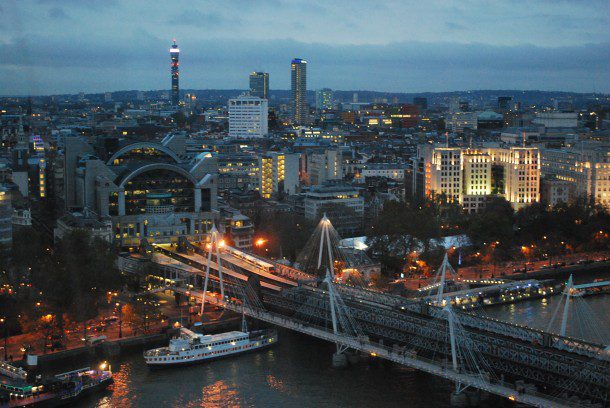
    I am currently living in the Southeast of England, the county of Essex. It is excellent for road and train transport links, with commutable access to shops, the town centre and central London. There are three main National Train Stations nearby where commuters take a thirty minute train ride to London.

    My location is very close to Basildon Town Centre with travel time by car of approximately five minutes and on foot by about 10-15 minutes.  This town center is filled with small shops and restaurants, and two major retailers Marks and Spencer and Debenhams. There are also two large supermarkets, and a few shops for computers and other electronics. It is complete with amenities, parish churches and post offices. There are also various primary and secondary schools nearby. From what I’ve heard, Basildon also hosts the biggest car boot sale in the UK where you could find a lot of cheap second hand items in good quality, even antiques that sometimes, people sell very cheap without even knowing the real value to find out that they actually cost thousands of pounds.

    The surrounding district is not densely populated, hence, there are many green areas surrounding the vicinity. This provides a healthy and safer environment of fresh air, low noise, and less traffic compared with many population centres. Moreover, the natural surroundings provide greater opportunity for relaxation and recreation outside work and school hours.

    What do you do for a living?

    I am working in London as Senior Cost Consultant (which is equivalent to a Cost Engineer in America or the Philippines) in one of the biggest engineering and consulting firms here in the UK.

    Is there a Filipino community there?

    Where I live, there is a Filipino community here but I am not a quite active member, to be honest. I do attend Filipino gatherings when convenient and when my schedule permits. Most of the Filipinos here are nurses.
    Tell us about your life there?

    My life here in the UK is actually not so different from my previous life, probably because I have already met a lot of people from different walks of life. I have adjusted very well and very fast – I guess that’s what Filipinos are known for. I have made some friends at work and through other acquaintances. It’s a typical nine to five for me from Mondays to Fridays in the office in front of the computer and drawings and other papers, meetings or discussions. I think English people love to talk – it’s the one thing one would notice after living here for some time.
    What cultural practices/behaviors have you acquired from your host country?

    I have developed the habit if drinking a lot of teas, especially English tea which I was not very keen about when I was in the Philippines or any other part of the world. And every Christmas I always make sure that I have a least a bite of the popular Christmas pudding and English roasted chicken. One thing that I like here is the country’s richness in arts and culture, and I have learned to appreciate the works of European artists like John Constable, Vincent Van Gogh, Claude Monet, Pablo Picasso and many others. I have also started collecting some antiques – a very popular hobby here in England, and I now appreciate theatre more and have watched a few plays. Unfortunately when I came here, Miss Saigon had long gone so I was not able to see our own Filipino artists performing in the capital.

  • Filipino Uganda: My Pinoy Life in Kampala

    Filipino Uganda: My Pinoy Life in Kampala

    Filipino Uganda: My Pinoy Life in Kampala

    Raised by missionary parents in India and Thailand, the values of altruism and volunteerism were ingrained in NYX MARTINEZ at an early age. It comes as no surprise that Nyx grew up and pursued a similar path.


    The 29-year old Filipina reflects on the three years she spent in Kampala, Uganda as a full time volunteer and the lessons of love and brotherhood that continue to influence her until today.

    Since when have you been staying there?  Can you recount briefly why you moved there?

    I lived in Uganda from 2002-2005 as a full time volunteer. I worked with Radioactive Productions, a recording studio that produced inspirational radio programs for listeners around East Africa Another objective of the program was to highlight good local talent by giving them a platform.

    We also organized aid distribution to IDP (Internally Displaced Persons) and refugee camps, orphanages and hospitals. As project coordinator, I helped organize a few projects that got artists (or anyone willing) involved with humanitarian and outreach programs on the ground level.

    Tell us something about your host city and country?

    Uganda is very special. The weather is perfect! It’s hot enough to dry your laundry in the morning, and cool enough at night to need a wrap or scarf when you go out. It’s not humid or extra dry like in Kenya. Uganda is also the source of the Nile River; this means the land is very fertile, and extremely lush. However, the degree of poverty is also overwhelming. And there are still tribal wars and disputes in some regions.

    You’ve probably heard about Idi Amin in the late 70’s, the president of Uganda who seized power in a military coup in 1971. Known as the “Butcher of Uganda”, hundreds of thousands of his opponents were either killed or imprisoned during his 8 year dictatorship. Everyone seems to associate Uganda with him. But the Ugandan people, in general, are some of the kindest, sincerest, and humblest I have ever met. They are also lots of fun, and on the whole, they are not overly materialistic or judgmental.

    One time, I came home from a short vacation in South Africa, and our cook looked at me and beamed, “Nyx! You have gotten fat!” I was stunned at her reaction, and a little embarrassed. Then she continued: ‘And you will get fatter, and fatter, and fatter!” The smile on her face told me that was a good thing. I later learned that she really was giving me a genuine compliment! In this part of the world, the rule is: the bigger the better! That’s an example of a different kind of culture there.

    What do you there do for a living?

    My work as a volunteer was full-time, but I also dabbled in writing and painting. I held one solo and two joint art

    exhibits, all to raise awareness about the plight of the people I was trying to help at the time — like forgotten tribes and child soldiers. To earn extra cash, I did face painting at kids’ parties, sold portraits, and taught art at the International School of Kampala during the summer break.

    Is there a Filipino community there?

    Back then, the Filipino community was relatively small. During one of our Christmas parties, we were about 50, including kids. You didn’t see many of them around, but the Filipinos I did know were either with NGO’s, charity groups, or were exchange students. It was strange being one of the only Asians in the entire country. You stuck out like a coconut tree!

    I had a housemate at the time who was Japanese; she jogged every day around the city. People couldn’t tell the difference between us two Asians.

    Ugandans are so welcoming — they were all very interested in what it was like in Asia, and in my home-country, the Philippines. Little children would often touch my straight hair, amazed, and ask; “Were you born this way?”

    Tell us about your life there.

    I lived together with other volunteers with global backgrounds, so it was easy to adjust. From the first day I landed at the airport, I found that it was no problem settling in and making friends. We often had no electricity, so people spent more time eating and drinking together in the evenings, just hanging out.

    Nights were quieter; no huge clubs. But one popular place was the Karaoke joint at the only mall in town, whose Karaoke system was a ‘Magic-Sing’ microphone from the Philippines (complete with all the popular Pinoy Karaoke favorites!). Every week, that place would be packed, and the usual few Pinoys would be rocking the microphone! Ugandans love music and dancing just as much as we do!

    On the weekends, we would often hang out by the lake, or go camping by the white water rapids. The braver ones would bungee or ride the rafts. I really loved that Uganda was a place where you could do a lot of outdoor activities. You had this feeling that you were right in the middle of the wilderness, but it was incredibly calm as well. We didn’t have many luxuries, especially when it came to transporation. We got around by hitch-hiking or car pooling.

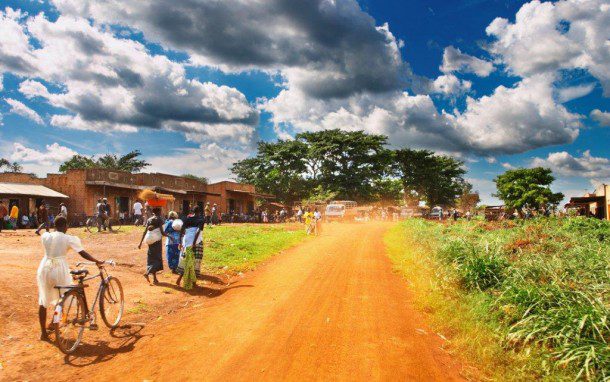
    Oh, let me tell you about transportation! The taxi’s are called boda-bodas, and they are little motorbikes, driven all over – everywhere! At the time, the roads were full of potholes, and these things would go zooming by. When riding them, I would pray so hard! We had a lot of adventures in Uganda; a lot of crazy fun.  I once went on a safari, we pitched a tent down by the river, and you could hear the warthogs and hippos just footsteps outside your tent. And you knew there were lions out there, too. That was wild!

    Your message/greeting to Filipinos across the globe

    No matter where in the world you find yourself, you can contribute positive things. You can be in the poorest country, or the richest villa — it doesn’t matter. Surround yourself with good, dependable friends, network well, keep in touch with people, and build deep, lasting relationships.

    If you’re feeling a little homesick where you are, try to reach out to someone who isn’t as well off as you, or perhaps other foreigners or expats who may be missing their homeland, too. Try to attend social gatherings and events so you can get to know your neighborhood, as you need a good support system when you are living in a faraway country. Be a friend and family to others. You’ll be surprised at what you receive when you give of yourself, and give from your heart. You’ll expand the borders of your own home and see your life start to flourish in amazing ways.

    Any other information you would like to share with other Pinoys around the world?

    The three years I spent as a volunteer in Uganda weren’t easy, and being away from my family for so long became taxing at times. But what I experienced there—both the heartaches and the happiness—are treasures I wouldn’t trade.

    Living in that country taught me to appreciate life and the blessings that were given me to share. It taught me that there was more to life, and more to this world we live in. I learned that it was often the little things that matter.

    I met some amazing people there who were giving so much of themselves. Like one girl, Mandy, who was a German artist—she lived and worked in a home for mentally handicapped children, on the outskirts of the city; she had committed her life to being there.

    She’s still there doing wonderful work. You could see and feel that it was a special love that drew her to country and made her stay, and her love for the kids surpassed the need to have any luxuries. From people like her, I learned that when you focus your energy and efforts outwards to those around you, your life takes on a new meaning, and you can survive even the hardest of situations, or the loneliest of places, because of the passion that keeps you there.

    Sometimes we get so caught up in ourselves and our personal problems, we forget that happiness and joy can come from simple things. We need to cherish our life and the love that we are capable of giving.  When we start being grateful for the small things, that’s when we realize that we indeed have a lot to be thankful for.

    In 2005, Nyx moved back to the Philippines, where she hosted Travel TV Shows with Living Asia Channel for 3 years. She started the FunDayTion, a project to help terminally-ill kids. (www.ourlifefoundation.wordpress.com). In 2009, she relocated to Europe, where she got married in Denmark, lived in Italy and gave birth in Germany. Nyx is now Features Editor of Mabuhay, the Inflight Travel + Lifestyle magazine of Philippine Airlines. Visit her at www.nyxmartinez.com

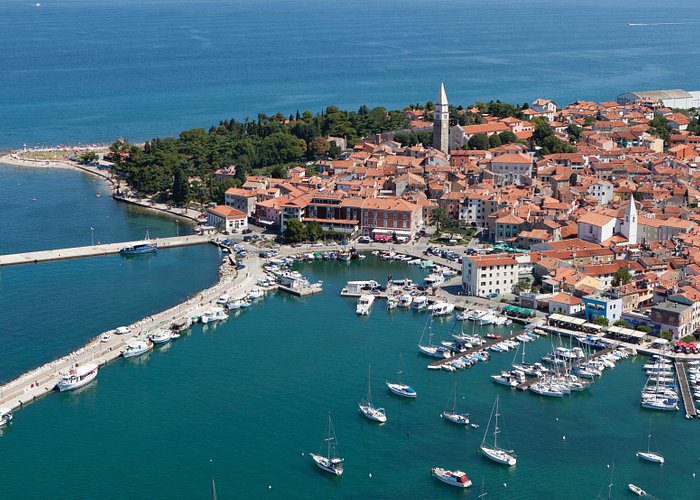
  • Filipino Slovenia: My Pinoy Life in Izola

    Filipino Slovenia: My Pinoy Life in Izola

    Filipino Slovenia: My Pinoy Life in Izola

    GIA RAMA

    Since when have you been staying there?  Can you recount briefly why you moved there?

    I am Gia Rama, a mother of one and the wife of a Slovenian engineer.  I remember meeting my husband in Cebu, Philippines. He was there on a project working as a commissioning engineer for one of the TransCo substations in Mandaue City where I was previously working as a secretary to the District 2 Department. That’s where it all started – the meeting of two hearts, and of two different worlds.

    My husband won my heart in so many ways. But moving with him after we got married, to a country which I never heard about was not an easy thing to do. I heard about ex-Yugoslavia and the neighboring countries but Slovenia? I never knew it existed.

    Tell us something about your host country and your life there.

    Slovenia is famous for their limestone caves, rivers, castles, and they have the biggest ski jump in the world. Other than this, the country is also famous for their wine. They make homemade wine which I enjoy so much.  Wine is always present in every house and in every celebration. The locals love get-together parties. Even sharing a cup of coffee with the family is important to them. They have close family ties like we do. Well, that’s what I see with my husband’s family. They love being together. Slovenians, however, don’t show their emotions too much. They themselves admit that they are quite cold. Some of them give you a certain reaction or look that makes you feel bad and small. But then again, it’s cultural and it’s just a matter of getting used to.

    As for me, I have somehow accepted their ways, and now I love it here.  Although first, it was very hard. I arrived at the worst season – winter! For a tropical girl like me, arriving in winter was terrible. It was gloomy and cold. The worst thing was, I was home sick. I wanted to go back to the airport and get the first flight back to the Philippines.  But of course, I did not. I took a risk and gave it a try. The first few months were not easy. People were looking at me strangely. I did not have friends, no work and no social life – nothing! I remember crying because I felt so alienated. I met some Filipinas after a while and it got a bit better. But then I still felt sad. My husband was not around so much. He was travelling and working around the world – something I had to accept.

    But it was not all tears for us. It was interesting for me too. Winter meant snow! Yes! Snow! The first time I saw and felt snow, I was so amazed how it came down slowly from up there and it seemed like the world was so silent. But then again, this silence just made me lonely again. I was missing my family in the Philippines so much. I still do. So ok, the seasons changed and with the season, my feelings and emotions changed too. As I slowly felt the warmth of summer, I felt lighter. I started to go out and meet more people.

    What do you there do for a living and how do you keep busy?

    In May 2008 I got employed as a secretary in an engineering firm called CCE, d.o.o.  From that time, my life got busier, and of course, I was very happy about the fact that I was also earning. In the same year my son Grant, started elementary school. So I had to do double time working in the office, taking care of the house and helping my child with his studies. I am also into dancing lessons, and had the opportunity to perform for an audience.  I was also in a multi-cultural fashion show which was held in Izola. It was composed of women and children of different races. We had to present our national costumes and displayed our dishes which were open for free tasting. I also joined the 10 kilometer marathon just last year.  I am quite sure that I am not the only Filipina enjoying these opportunities.

    Is there a Filipino community there?

    This year, I was elected as President of the Filipino community here in Slovenia, another responsibility which I gladly accepted. There are about 80 Filipinos here. We gather once or twice a year for the Independence Day celebration and Christmas party. We have no major projects yet, but I feel that we will get there someday. Last year, our community here has done our part in helping the victims of the typhoon Ondoy. We have sent used items or clothing. Unfortunately, acknowledgement never reached us. I do not mean to make it sound like we lack attention or we need the world to know that we have helped. But my aim was for Slovenia, especially the Filipino community here, to be made known to the whole world. Slovenia exists… we exist here.

    Filipinos are far more vibrant and warm than the people here. Naturally, we are the open and friendly ones. People like us here. But of course, racism can’t ever be denied. But then again, generally, we are well-accepted and respected.  Most of all, they love our beauty; they love the tropical and exotic look that we have, our color. This is the very reason why I like getting a tan even if I am already dark.  In the summer, we go out and take advantage of the sun. We go to the beach almost every weekend. There are even times when we make use of the little time we have after work. But Slovenia is not famous for their beaches. We cross the border and go to Croatia to enjoy clean and clear waters.

    Your message/greeting to Filipinos across the globe


    Greetings to all Filipinos all over the world! Here’s wishing you good health and happines with your loved ones. Like all others, the Filipinos here are also working to make their lives better and, of course, with the intention to help those they have left back home. Let us all work together and make this happen without stepping on someone else’s rights. Let us respect each other, no matter the differences of jobs that we have. We are all brothers and sisters in the eyes of God. Let us act this way.