Since when have you been staying there? Can you recount why and how you moved there?
I moved here to Norway in 2013 together with my four friends. We came as nurses from Aklan Cooperative Mission Hospital. I recall that an agency was looking for workers in Norway, and I always wanted to go abroad and work for a better salary, so I jumped at the opportunity right away.

Tell us about where you live. What is the place famous for? Are there any notable landmarks, sites, etc. What do you like and not like about living there?
I currently live in Kjeller, a village located near Lillestrøm in the municipality of Skedsmo. It’s located 25 kilometers north-east of Oslo (Oslo is the capital of Norway). Kjeller is famous for its airport as the world oldest airport with an air battalion, international flight academy and aircraft production. It’s home to the biggest annual airshow in the country too! I love it here because it’s so peaceful. There’s no pollution, no crime, and you can enjoy all four seasons of the year. The only catch is that everything here is expensive.
Tell us about your life there. What do you do for a living? What do you do for relaxation? Describe a typical week. What’s the typical lifestyle over there?
My life here is quite active. Besides working weekly, I have a Filipino show band, D’Goodvibes, and we play for different events during different occasions. I’m also a photographer specializing in portraits, events and landscapes. Each year, I go on a hiking trip with my colleague. We even reached the country’s higest peak, Galdhøpiggen. I’m a music enthusiast, so I also jump at the opportunity to see my favorite bands perform at concerts. When I’m free, I play table tennis, go fishing, listen to music or work in a nursing home. A typical lifestyle here involves working throughout the week, and by Friday or Saturday, go out for a drink and have fun with family and friends.

What are the main cultural differences between there and the Philippines?
Filipino culture has a tighter focus on family relationships compared to the people here. They send money to their family in the Philippines and loved ones. Norwegians are also more independent at an early age, and when they land a job, they perform differently than us Filipinos. Norwegian laws are strict, and I admire the people for being law abiding citizens and well-mannered people. For example, cars slow down when the drivers see someone crossing the street (which is quite the opposite than what we’re used to in the Philippines).

How were you able to adjust to the culture? Did you pick up anything new (practices, life lessons, etc). Do you still observe Filipino customs and traditions?
We Filipinos are famous for being one of the most widespread nationalities around the world. I just did what everyone else did and put my mind towards adjustment. The culture here wasn’t extremely different from what I’m used to, but I eventually had to abide by the laws of this country and practice being independent more often (especially since I lived alone). I’ve always been a fan of Viking culture and history, and my appreciation for it helped me adjust here faster.
I love doing things on my own but being in a foreign country is a different story. People here like to have their space and privacy (while also being approachable). One thing I learned here is that you have to speak out of you want to address something. People here will speak directly if you have done good or bad here. They don’t tolerate if things go the other way. I also learned that, when going to gatherings on occasion, we as guests have to bring alcoholic drinks as a form of contribution. Along the way, I’ve taught myself photography. My friends used to say “ano na naman yan, picture picture na naman?” When we were walking as I was always behind taking photos of something.
I still observe and practice Filipino customs and traditions here. I love cooking native Pinoy dishes as nothing beats “kanin at ulam’. Norwegians eat a lot of bread and potatoes. I do the same but not often. Each year, we still celebreate Christmas and new year like it was in the Philippines. If you’re the ninong or ninang, then you are bound to give gifts and pamasko to your inaanak.

What advice would you give to Filipinos who want to move there? Give at least 3 tips.
To my fellow kababayans who want to move here, my first tip is to be mentally, emotionally and physically prepared for the country. Being away from our loved ones is one of the worst feelings to experience. A lot of people have depression here, especially during the winter. I had winter depression every year up until now as I still live alone. The environment is also difficult to deal with here, so being physically fit is a must. This country has four seasons, and people tend to get sick in the winter.
My second tip is to learn the language thoroughly as a language certification is required for you to get a job. I was a licensed nurse in the Philippines, but it’s not credited here in Norway. The country has high standards with education and work, so almost everyone here is a professional. Because of tax, education is free.
Norway has four seasons (summer, spring, autumn and winter). Each season differs also in temperature and clothing requirements, so be prepared! There is a famous saying here “Det finnes ikke dårlig vær, bare dårlig klær!” which translates to “There is no bad weather, only bad clothes!”

How about Filipinos who want to travel there? Also give 3 tips.
To my fellow kababayans who want to travel her, I’m sure you’ll enjoy Norway! Here ae some tips to help you out:
- Do as much research as you can. It’s always good to be prepared before going to a country. One essential thing to know is which season you are going in, in order to prepare the right clothing for yourself. Spring is from March to May, summer is from June to August, autumn is from September to November and winter is from December to February.
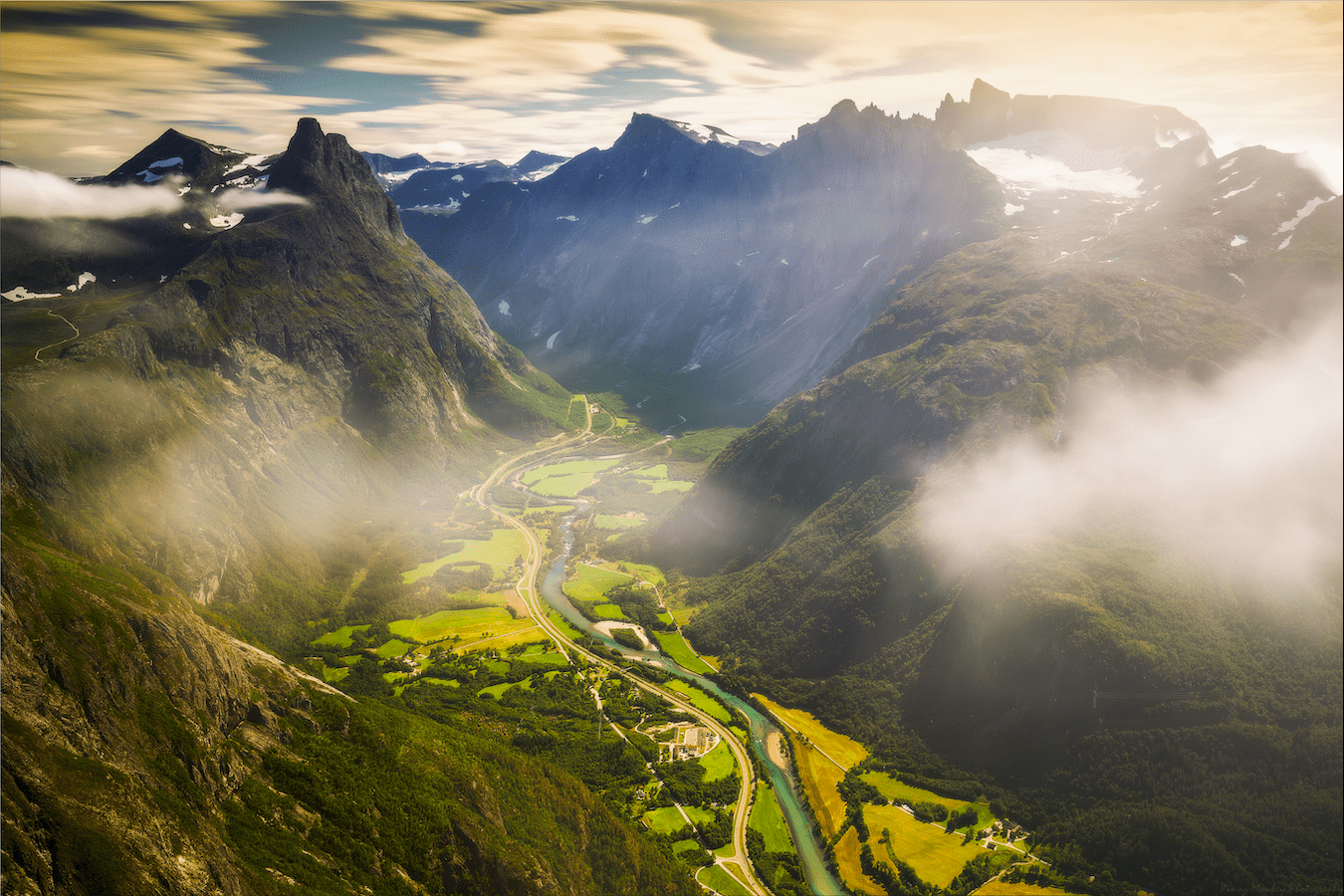
- Know which part of the country you’re going to and which sights to see. Norway has lots of mountains, valleys, waterfalls and lakes that attract tourists from all around the world. Travelling in Oslo will show you famous landmarks like the palace, where the king and queen reside, Vigelands park (the nude sculpture park) and the Viking Ship Museum. Along the coasts of the Norwegian peninsula, lighthouses are go to spots for tourists. One of them is the Lindesnes Fyr (Lindesnes lighthouse), which stands at the southernmost part of the country. Famous hiking spots and landscapes dot the west and northern areas of the country, like Preikestolen, Besseggen, Romsdalsseggen, Trollstigen, Trolltunga, Kjeragbolten, Galdøpiggen, Rondane and the famous Lofoten Islands. Don’t forget the Aurora Borealis (northern lights), which are visible during winter season up north.
- Norway is one of the most expensive countries to travel to and live in. Coming from the Philippines, you might be shocked to know how expensive ordinary food is. Instead of staying at an expensive hotel, try booking an Airbnb. It’s also good to buy food and drink from grocery stores and prepare your own meals (like sandwiches) for tours.

What’s your message to Filipinos across the world?
As an OFW, I know we have to sacrifice, but we only live once, so enjoy life! Do what you love and lova what you do. Success comes through the things we love and pursue. Don’t let people tell you how to live your life and let go of the things that drag you down, cheers!
ADDITIONAL: can you share any links to useful online resources that can help future travelers with your host country? Example: tourism office, tourist destinations and more. Please include the link to the Philippine Embassy or Consulate General
Here are some important links you can visit when traveling to Norway. It features almost all the information needed upon visiting this country.